DE MOTU CORDIS
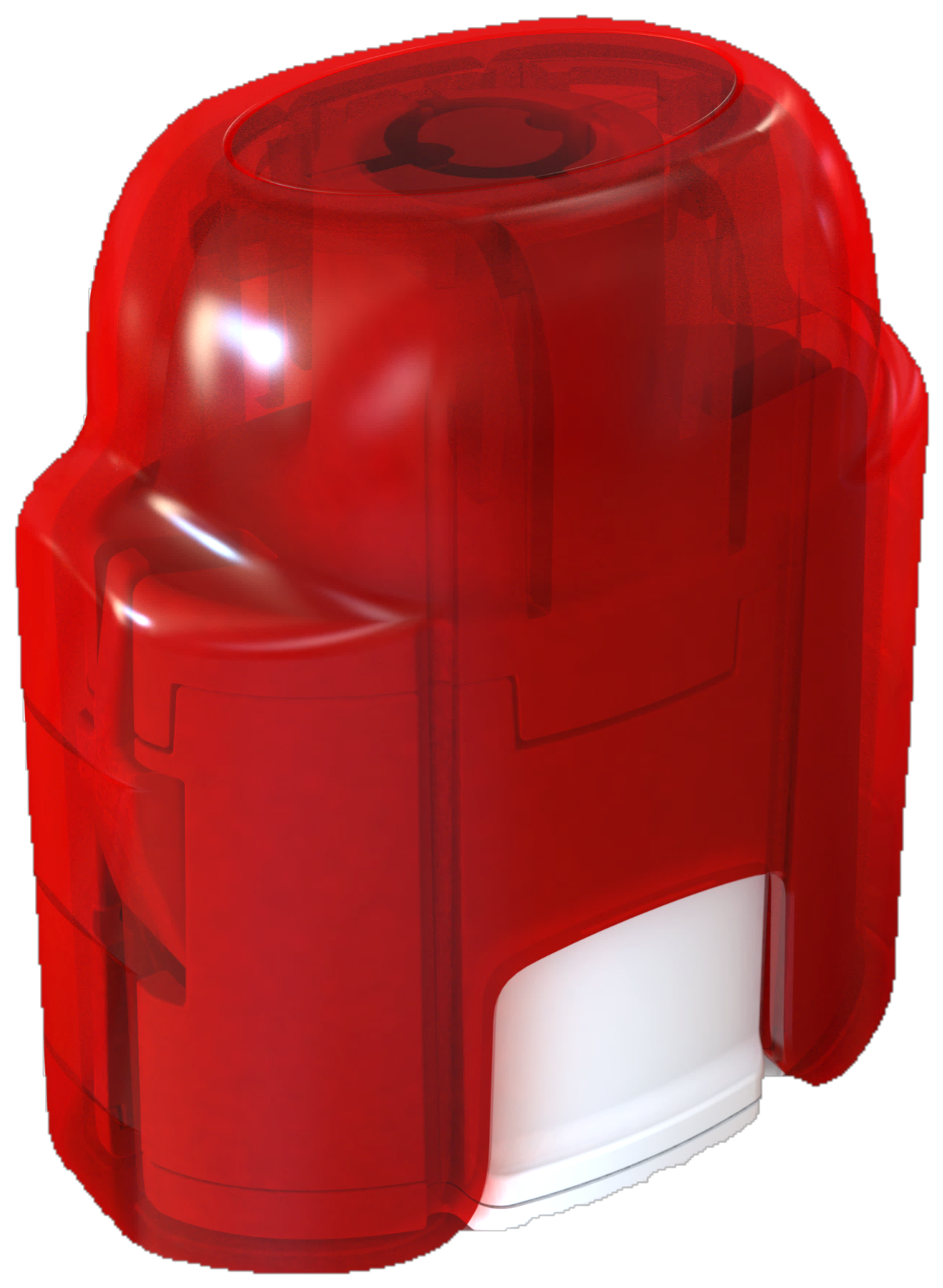
Developing an epinephrine inhaler for use in anaphylaxis treatment.
Anaphylaxis is a severe, life-threatening allergic reaction. The immediate delivery of epinephrine (adrenaline) is the only life-saving treatment.
Needle-free
delivery
Rapid
administration
Everyday
storage
Simplicity
De Motu Cordis’s mission is to improve emergency epinephrine delivery, when every second counts.
ANAPHYLAXIS
Millions Remain Without Access to Treatment
40 million at-risk people do not have access to life-saving treatment across Europe and the U.S.1,2
Sources: 1DuToit et al., (2024). 2PharmaVentures Ltd (Unpublished Report). (2022). 3Sheikh et al., (2015).
De Motu Cordis Product
An epinephrine inhaler being developed to treat anaphylaxis.
CURRENT TREATMENT
Barriers to Care Reduce Treatment Access
MARKETED EPINEPHRINE PRODUCTS*
BARRIER TO CARE
Most patients rely on auto-injector devices that deliver epinephrine using an injection
➔
Patients may delay or avoid injections due to fear of needles
Currently approved devices deliver epinephrine using either injections or a nasal spray
➔
May take 20–30 minutes to reach peak epinephrine absorption
Currently approved devices recommend storage between 20–25°C
➔
Common storage locations may affect reliability and performance (car, handbag, etc.)
Most patients rely on auto-injector devices that expire 12 to 24 months after manufacture
➔
Frequently replacing devices can be expensive and difficult to sustain
*Current as of 16th July 2026. 1Brooks et al., (2017). 2Alsbrooks & Hoerauf. (2022). 3ARS Pharmaceuticals, Inc. (2023). 4De Motu Cordis Pty. Ltd. (Unpublished Clinical Study Report). (2023). 5ARS Pharmaceuticals, Inc. (Accessed 2026). 6Mylan. (2020). 7Australasian Society of Clinical Immunology and Allergy (ASCIA). (2026). 8Rachid et al., (2015). 9Warren et al., (2018). 10Rachid et al., (2016). 11Dadour et al., (2011). 12Fineman et al., (2013).
Barriers to Care Leave Too Many Patients at Risk
patients do not administer auto-injectors even when a device is available
of all reactions do not receive epinephrine before emergency services arrive
1Sheikh et al., (2015). 2PharmaVentures Ltd (Unpublished Report). (2022). 3Miles et al., (2021).